Lost in Lanterns: My Hoi An Adventure You Gotta See to Believe
Hoi An, Vietnam, isn’t just a place—it’s a feeling. Walking through its ancient streets feels like stepping into a dream where time slows down. The scent of street food dances in the air, golden lanterns glow at dusk, and every alley hides a new story. I went looking for sights but found something deeper: real moments, rich flavors, and unexpected connections. This is more than tourism—it’s experience. Let me take you through the moments that made my journey unforgettable.
First Steps in an Ancient Town: What Makes Hoi An So Special?
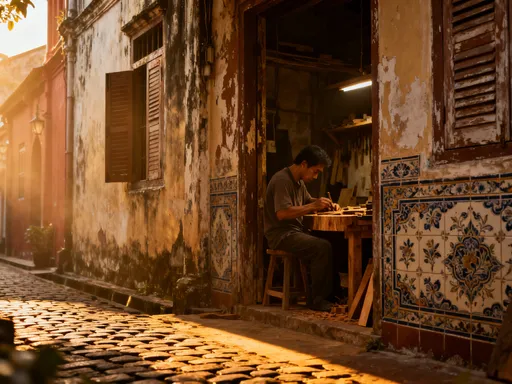
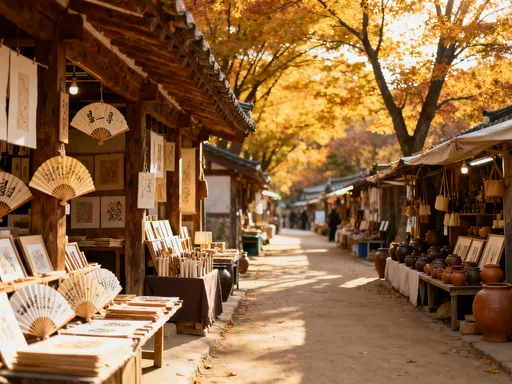
Hoi An’s Old Town, a UNESCO World Heritage Site since 1999, stands as one of Southeast Asia’s best-preserved trading ports from the 15th to the 19th century. Its charm lies not only in its history but in how seamlessly that history lives on today. As you step onto the narrow lanes paved with worn bricks, the world softens. Buildings painted in warm ochre, soft yellow, and faded terracotta line both sides of the street, their wooden shutters thrown open to reveal tailor shops, family-run cafes, and craft stalls. The architecture tells a story of cultural fusion—Vietnamese homes with Chinese tile roofs, Japanese covered bridges, and French colonial balconies draped in bougainvillea.
What sets Hoi An apart from other historic towns is its atmosphere. Unlike cities where modern life overshadows the past, here, tradition and daily life coexist in harmony. Motorbikes are banned in the central zone after 6 PM, allowing visitors to wander freely as lanterns begin to glow. The absence of traffic noise creates a rare sense of peace, making it easy to imagine life centuries ago. Shopkeepers sweep their thresholds each morning, children pedal bicycles home from school through arched doorways, and elders sip coffee at corner tables, watching the world pass by.
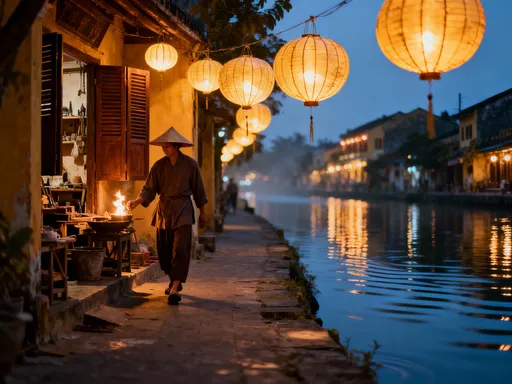
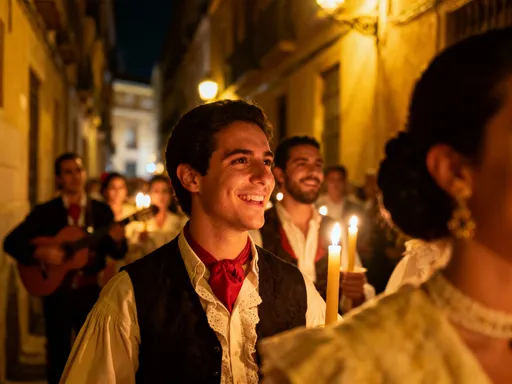
For the best experience, arriving in the late afternoon is ideal. The golden hour light bathes the buildings in a warm, honeyed glow, perfect for photography and quiet reflection. By early evening, the lanterns come alive—hundreds of silk orbs in red, gold, green, and purple casting shimmering reflections on the Thu Bon River. This is when the town feels most magical. For those seeking fewer crowds, visiting between February and April is recommended. While the summer months bring higher temperatures and more tourists, the shoulder seasons offer pleasant weather and a more intimate encounter with the town’s rhythms.
Preservation efforts have been central to Hoi An’s success. Strict building regulations ensure that renovations maintain historical integrity, and local families are encouraged to remain in their ancestral homes. This continuity gives the town authenticity that cannot be replicated. It’s not a museum piece frozen in time, but a living, breathing community where heritage is not performed—it is lived.
Pedaling Through the Countryside: The Joy of a Bike Ride Beyond the Center
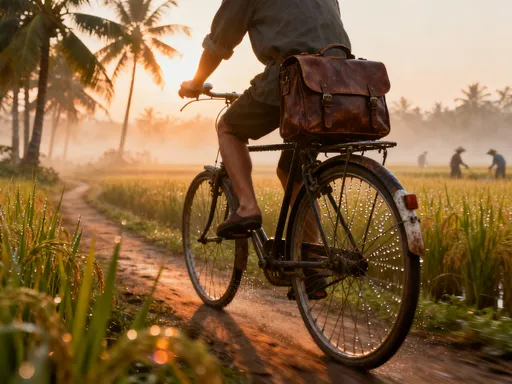
While the Old Town captivates with its charm, venturing beyond its walls reveals another side of Hoi An—one of emerald-green rice fields, swaying palms, and village life unfolding at a gentle pace. One of the most rewarding experiences I had was renting a bicycle and riding through the surrounding countryside. With a light breeze on my face and the sun rising over flat, open fields, I felt a sense of freedom that no guided tour could offer.
The route I took led south from the town center, following quiet roads that wound through Kim Bong, a village known for its woodworking heritage. Along the way, I passed farmers bent over flooded paddies, their conical hats bobbing like dark mushrooms above the water. Children waved from bamboo stilt houses, and water buffalo rested under shady trees, tails flicking away flies. The air carried the scent of damp earth and fresh herbs, a natural perfume far removed from the perfumed shops of the tourist zone.
Cycling allows for a deeper kind of travel—one defined by rhythm and presence. Each pedal stroke connects you to the landscape. You notice details: the way sunlight filters through coconut fronds, the sound of a rooster crowing in the distance, the sudden burst of color from a woman’s áo dài as she walks down a dirt path. These are the quiet moments that stay with you long after the trip ends.
For travelers considering a bike ride, several options are available. Many guesthouses and hotels offer free or low-cost rentals, typically simple but sturdy single-speed bikes. For a more comfortable experience, some tour operators provide hybrid or mountain bikes with baskets. Safety is generally good on rural roads, but it’s wise to ride early in the morning to avoid heat and midday traffic. Wearing a hat, carrying water, and applying sunscreen are essential. A small backpack with a camera, phone, and snacks makes the ride even more enjoyable.
One of the highlights was stopping at a family-run stall along the road, where an elderly woman served me fresh sugarcane juice pressed on the spot. We shared no common language, but her smile said everything. This kind of spontaneous human connection is what makes cycling in Hoi An so special. It’s not just about seeing the countryside—it’s about feeling part of it, even if only for a few hours.
Hands-On Heritage: Learning to Make Rice Paper the Local Way
One of the most meaningful experiences during my stay was participating in a rural cooking class hosted by a local family in Tra Que, a village just outside Hoi An known for its organic vegetable farming. The class began at dawn, with a visit to the family’s garden, where rows of basil, mint, and morning glory grew in rich, dark soil. The mother of the household, Mrs. Lan, explained how the village has farmed using traditional methods for generations—no chemicals, just compost and seaweed from the nearby coast.
Back at their home, we gathered around a large stone mortar where soaked rice had been left overnight. The process of making rice paper—bánh tráng—began with grinding the rice into a smooth, creamy batter. Using a wooden pestle, we pounded the grains until they reached the right consistency. Then, Mrs. Lan demonstrated how to ladle a thin layer of batter onto a cloth stretched over a steaming pot. Within minutes, the liquid transformed into a delicate, translucent sheet—fragile but strong, perfect for wrapping spring rolls or eating fresh with herbs.
What made this experience unforgettable was not just the technique, but the warmth of the family. They welcomed us like relatives, laughing as I struggled to spread the batter evenly. Their teenage daughter taught me how to roll a proper summer roll, wrapping shrimp, lettuce, and noodles in the rice paper with a flick of her wrist. We sat together afterward, sharing the meal we had prepared, dipping rolls into peanut sauce and sipping hot tea.
Food is at the heart of Vietnamese culture, and learning to make it from scratch offers a rare window into daily life. Unlike restaurant meals, which can feel transactional, cooking with a local family creates a bond. It’s a reminder that travel is not just about sightseeing, but about sharing stories, skills, and flavors. These kinds of hands-on activities are especially valuable for travelers seeking authenticity. They move beyond observation into participation, turning a visit into a memory rooted in connection.
For those interested in similar experiences, many homestays and community-based tourism programs in the Hoi An area offer cooking classes. Most include a market visit, garden tour, and multiple dishes. These programs support local livelihoods and help preserve culinary traditions that might otherwise fade in the face of modernization.
Lantern-Making Magic: Creating Light with Local Artisans
No symbol captures the spirit of Hoi An quite like the lantern. These handcrafted silk wonders hang from every shop, bridge, and home, transforming the town into a glowing wonderland each evening. While buying a lantern makes a beautiful souvenir, taking the time to learn how they are made adds a deeper layer of appreciation.
I spent an afternoon with Mr. Hai, a third-generation lantern maker, in his small workshop just off the main drag. The space was filled with spools of colored silk, thin bamboo strips, and half-finished lanterns in every shape—round, oval, lotus, star. He began by showing me how to shape the bamboo frame, bending each piece with care to form a perfect circle. The precision was remarkable; too much pressure, and the stick would snap. Too little, and the shape would wobble.
Next came the silk. He selected a deep crimson fabric, cut it into precise panels, and stretched it over the frame with tiny wooden pins. The process required patience and a steady hand. As he worked, he explained that each color carries meaning—red for luck and celebration, yellow for royalty and prosperity, green for harmony with nature. Traditional lanterns are often lit with candles, but modern versions use LED lights to meet safety standards and reduce fire risk.
What struck me most was the pride Mr. Hai took in his craft. He spoke of his grandfather, who made lanterns for temples and festivals, and his daughter, who now runs an online store to reach global customers. His workshop is not just a business—it’s a legacy. By teaching visitors, he ensures that the art form continues, even as mass-produced versions flood tourist markets.
Supporting artisan workshops like Mr. Hai’s makes a real difference. These small studios preserve cultural heritage in a way that souvenir shops cannot. When travelers choose to learn from or buy directly from local makers, they help sustain traditional crafts that might otherwise disappear. For those interested, several community centers and cultural hubs in Hoi An offer lantern-making classes. These are typically 60 to 90 minutes long and suitable for all ages. The result is not just a handmade lantern to take home, but a story to tell—one of skill, beauty, and cultural continuity.
Sunset on the Thu Bon River: A Floating Moment of Peace
As the sun begins to dip below the rooftops of Hoi An, a quiet transformation takes place along the Thu Bon River. The water, still and dark, becomes a mirror for the glowing lanterns strung along the banks. This is the moment the town reveals its most poetic side—a place where light, water, and silence come together in perfect harmony.
I boarded a small bamboo boat, no longer than a car, poled by an elderly man in a conical hat. He smiled but spoke little, letting the river speak for itself. As we drifted downstream, the noise of the streets faded, replaced by the soft lap of water against the hull and the occasional call of a bird. Above, paper lanterns swayed gently in the evening breeze, their colors reflected in shimmering ribbons across the surface.
One of the most touching traditions here is the release of lotus-shaped flower offerings, known as hoa đăng. These small, floating candles are made from real lotus petals, with a tea light nestled in the center. For many Vietnamese, it’s a way to honor ancestors, express gratitude, or send wishes into the universe. I was handed one during the ride and, following the guide’s quiet instruction, placed it gently on the water. As it floated away, joining dozens of others, I felt a deep sense of calm—something rare in our fast-paced world.
This ritual is not performed for tourists; it is a genuine cultural practice, though visitors are welcomed to participate respectfully. The act of releasing a light into the river creates a moment of mindfulness, a pause in the day to reflect, breathe, and connect. It’s a reminder that travel can be more than movement—it can be meditation.
Evenings like this are what make Hoi An unforgettable. While other destinations dazzle with grand monuments or bustling markets, Hoi An moves quietly, inviting you to slow down and feel. The river ride lasts only 15 to 20 minutes, but its impact lingers. It’s not about the destination—it’s about the stillness, the beauty, and the simple act of being present.
Street Food Secrets: Beyond the Tourist Trails
Hoi An’s reputation as a food destination is well-earned. From the crispy baguettes of bánh mì to the rich, chewy noodles of cao lau, every bite tells a story of history and place. While the central market and popular restaurants draw crowds, some of the best meals are found off the beaten path—in alleyways, morning markets, and roadside stalls where locals line up before work.
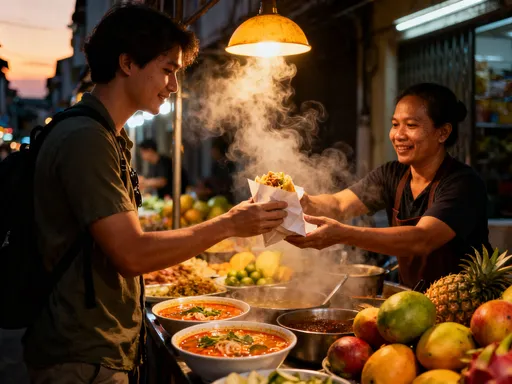
One morning, I followed the scent of sizzling pork to a tiny stall tucked behind a tailor shop. The vendor, a woman in her fifties named Ms. Dung, has been making bánh mì for over 30 years. Her version—on a locally baked baguette, crisp outside and soft inside—was piled with pâté, pickled vegetables, cilantro, chili, and a generous slice of grilled pork. She told me the bread is made daily using a French-influenced recipe, a legacy of colonial times. “The secret,” she said with a wink, “is in the pork marinade—five spices, garlic, and a little fish sauce.”
Another must-try is cao lau, a dish unique to Hoi An. The thick rice noodles are said to be made with water from the town’s ancient Ba Le well, and the pork is charred over a wood fire for smoky depth. Topped with crunchy croutons, fresh herbs, and a spoonful of broth, it’s hearty and deeply flavorful. I found one of the best versions at a family-run shop near the Japanese Covered Bridge, where the owner still uses her grandmother’s recipe.
For those exploring on their own, a few tips can enhance the experience. First, look for stalls with high turnover—long lines of locals are a reliable sign of quality. Second, don’t be afraid to point and smile; many vendors speak limited English but are happy to help. Third, carry small bills, as change can be hard to come by. And finally, practice basic hygiene—choose places that look clean, avoid ice unless it’s sealed, and carry hand sanitizer.
Street food is more than sustenance; it’s culture on a plate. Each dish reflects the town’s history as a trading hub, blending Vietnamese ingredients with Chinese, French, and Japanese influences. Eating like a local isn’t just about taste—it’s about participation in daily life. And in Hoi An, where food is shared with generosity, every meal feels like an invitation.
Why Hoi An Stays With You: The Quiet Power of Slowed-Down Travel
In a world that glorifies speed, Hoi An teaches the beauty of slowness. There are no skyscrapers, no rush-hour traffic, no loud advertisements. Instead, there is the soft glow of lanterns, the rhythm of a bicycle pedal, the warmth of a family sharing a meal. This is travel that doesn’t just show you a place, but changes the way you move through it.
What makes Hoi An linger in the heart is not its sights alone, but the way it invites presence. You notice more here—the texture of a rice paper sheet, the sound of a boatman’s pole tapping the riverbed, the way sunlight filters through silk lanterns. These details form a mosaic of memory far richer than any checklist of attractions.
The town reminds us that meaningful travel is not about how many places you see, but how deeply you experience them. It’s in the cooking class where you laugh over a misshapen roll, the bike ride where you stop just to watch a farmer at work, the quiet moment on the river when you release a light into the water and make a silent wish. These are the moments that stay with you—not because they were planned, but because they were real.
Hoi An also exemplifies responsible tourism done right. By preserving its heritage, supporting local artisans, and welcoming visitors with grace, it shows how communities can thrive without sacrificing authenticity. Travelers, in turn, have a role: to move with respect, to listen more than they speak, and to value connection over convenience.
As I packed my suitcase to leave, I realized I wasn’t just taking photos or souvenirs. I was carrying something deeper—the feeling of being seen, welcomed, and slowed down. Hoi An doesn’t shout for attention. It whispers. And if you listen, it will stay with you long after you’ve gone.