You Won't Believe What I Discovered in Hoi An's Ancient Town
Walking through Hoi An feels like stepping into a living painting—lanterns glow above silk-draped streets, artisans handcraft treasures in family-run workshops, and the scent of turmeric and lime fills the air. I came for the beaches, but stayed for the soul of Vietnam’s cultural heart. This isn’t just a destination; it’s a sensory journey where every alley tells a story, every meal feels like a ritual, and every local artist shares a legacy centuries in the making.
First Impressions: A Town That Breathes Art and History
Arriving in Hoi An is like entering a preserved moment in time. The first glimpse of its ochre-colored buildings, nestled along the gentle curves of the Thu Bồn River, evokes a sense of calm that few cities offer. Unlike the bustling energy of Hanoi or Ho Chi Minh City, Hoi An moves at a quieter rhythm—one defined by foot traffic, bicycle bells, and the soft lapping of water against wooden boats. There are no skyscrapers, no honking cars, and no neon billboards. Instead, the skyline is marked by sloping tiled roofs, ancient pagodas, and the iconic Japanese Covered Bridge, a 17th-century structure that stands as both a historical landmark and a symbol of cultural harmony.
The Old Town, designated a UNESCO World Heritage Site in 1999, is a rare example of a Southeast Asian trading port that has retained its architectural and cultural integrity. Its buildings reflect a blend of influences—Chinese merchant houses with ornate carvings, Japanese-style roof brackets, French colonial shutters, and indigenous Vietnamese design. This fusion wasn’t forced; it evolved naturally over centuries as traders from Japan, China, India, and Europe settled here, intermarried, and built lives rooted in mutual respect. Today, walking through the narrow lanes, one can see how these traditions continue—not as museum pieces, but as lived experiences in homes, shops, and temples.
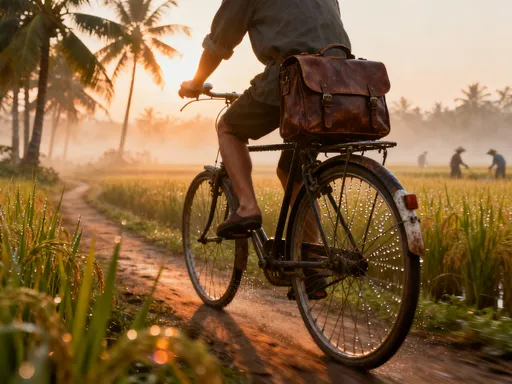
What makes Hoi An truly special is its human scale. The town encourages slow exploration. Streets are best navigated on foot or by bicycle, allowing visitors to notice details often missed in faster-paced destinations: the texture of weathered wood, the delicate ironwork on a lantern, the way sunlight filters through silk canopies. There are no large tour buses crowding the alleys, and strict preservation laws limit modern construction. This intentional restraint ensures that Hoi An remains not just a place to visit, but a place to feel—a sanctuary where history isn’t behind glass, but woven into daily life.
The Craft of Tradition: Hands That Shape Culture
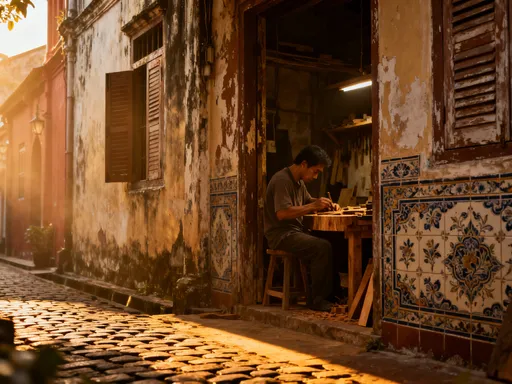
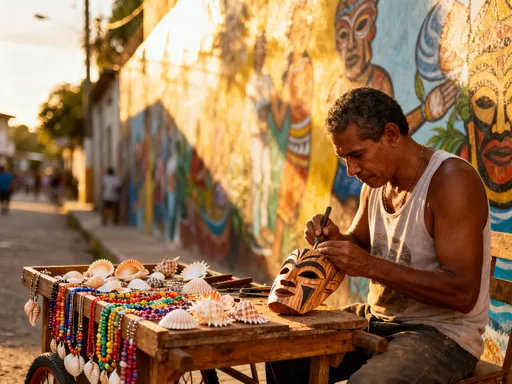
In Hoi An, craftsmanship isn’t a souvenir industry—it’s a way of life. For generations, families have passed down skills in lantern-making, tailoring, pottery, and wood carving, turning functional objects into works of art. These crafts are not performed for tourists alone; they are embedded in local identity, celebrated during festivals, and used in everyday rituals. To witness them is to understand that in Hoi An, beauty and utility are inseparable.
A visit to a lantern workshop reveals this philosophy in motion. Inside a small family-run studio, hands move with quiet precision—cutting silk into petal-like shapes, bending bamboo into circular frames, and assembling delicate paper lanterns that will later float on the river. Each lantern is handmade, often taking several hours to complete. The colors carry meaning: red for luck, yellow for prosperity, green for growth. Children often sit beside their parents, learning the craft not through formal lessons, but through observation and repetition. This is not mass production; it is slow art, where every piece carries the imprint of its maker.
Tailoring is another pillar of Hoi An’s creative economy. The town is renowned across Vietnam for its custom clothing, with dozens of shops offering made-to-measure garments in silk, linen, and cotton. But beyond the convenience of quick alterations lies a deeper tradition. Many tailors come from families who have worked with fabric for decades, some even tracing their roots to royal seamstresses. A fitting session becomes a conversation—one where measurements are taken not just with a tape, but with attention to posture, movement, and personal style. The result is not just a well-fitted shirt or dress, but a garment that feels uniquely yours.
Pottery and wood carving, though less visible to casual visitors, are equally vital. In nearby Thanh Ha village, artisans shape clay using centuries-old techniques, firing their wares in wood-burning kilns. The pottery is simple yet elegant—bowls with earthy glazes, vases with subtle textures—each bearing the marks of fire and hand. Similarly, wood carvers in family workshops create intricate panels for temples and homes, their chisels bringing to life dragons, lotus flowers, and ancestral motifs. These crafts are not relics of the past; they are living traditions, sustained by those who believe that making something by hand is an act of reverence.
Colors of the Market: Where Food Meets Art
The Central Market is Hoi An’s beating heart—a vibrant symphony of color, scent, and sound. From dawn until mid-morning, vendors arrange their stalls with a care that borders on artistic. Bright pyramids of dragon fruit, rambutan, and starfruit sit beside baskets of kaffir lime leaves and galangal. Dried squid and shrimp hang like tapestries, their golden hues catching the morning light. Bunches of fresh herbs—mint, cilantro, perilla—are tied with string and displayed in ceramic bowls filled with water, creating arrangements so vivid they resemble still-life paintings.
This visual abundance is matched by culinary depth. Hoi An’s cuisine is a reflection of its history—a blend of Vietnamese staples with Chinese, Japanese, and French influences. Dishes like cao lầu, a noodle specialty found almost nowhere else in Vietnam, tell stories of ancient trade routes. The noodles are made from local well water, the pork is braised with soy sauce brought by Chinese merchants, and the dish is topped with crispy croutons reminiscent of French baguettes. Eating cao lầu is not just a meal; it is a taste of cultural convergence.
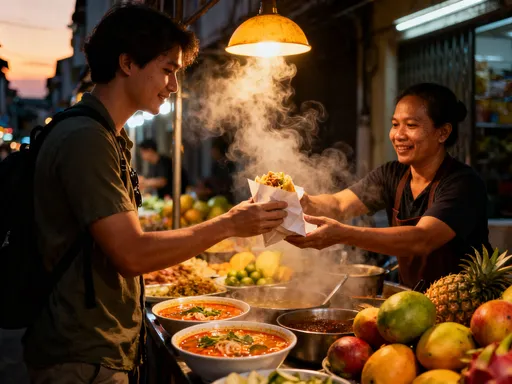
Equally iconic is bánh xèo, a crispy turmeric-infused pancake filled with shrimp, bean sprouts, and pork. Watching a vendor prepare it is a performance in precision—pouring the batter in a circular motion, folding it with a flick of the wrist, and serving it wrapped in lettuce with fresh herbs. The act of eating is equally deliberate: wrapping the pancake in rice paper, dipping it in fish sauce, and savoring the contrast of textures. In Hoi An, food is not rushed. It is a ritual, a moment of connection between people, ingredients, and place.
What sets Hoi An’s food culture apart is its emphasis on authenticity. While some tourist areas rely on pre-made sauces or frozen ingredients, many local restaurants source directly from the market, often using family recipes unchanged for generations. Meals are served at communal tables, where travelers and locals share space and stories. Even street food is prepared with care—vendors clean their carts meticulously, cook in small batches, and serve with a quiet pride. In a world where fast food dominates, Hoi An reminds us that eating can be an art form—one that nourishes both body and soul.
Lanterns and Light: The Soul of Hoi An After Dark
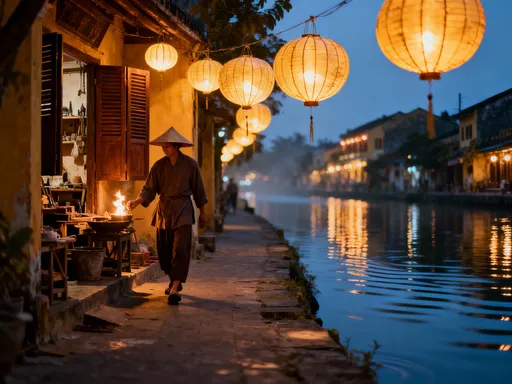
As the sun sets, Hoi An transforms. The golden light of dusk gives way to a softer glow—one cast by thousands of silk lanterns that illuminate the streets and riverbanks. These lanterns, in shapes of stars, fish, lotuses, and dragons, are more than decorations; they are symbols of hope, prosperity, and remembrance. In Vietnamese tradition, lighting a lantern is an act of sending wishes into the universe, a quiet prayer carried by light.
The most magical way to experience this transformation is from the water. A small wooden boat, guided by a local rower, drifts along the Thu Bồn River as the reflections of lanterns shimmer like stars on the surface. The air is cool, the city’s daytime noise fading into a gentle hum. Fireflies sometimes appear, adding to the dreamlike quality of the scene. For many visitors, this moment becomes the emotional centerpiece of their trip—a pause in the journey where beauty is not observed, but felt.
The Full Moon Festival, held monthly on the 14th day of the lunar cycle, intensifies this magic. On these nights, the town dims electric lights, and the streets are lit only by candles and lanterns. Families gather by the river to release lotus-shaped lanterns, each carrying handwritten wishes. Musicians play traditional instruments, and children parade with handheld lights. The atmosphere is one of collective serenity—a rare blend of celebration and contemplation. Even those unfamiliar with Vietnamese customs find themselves drawn into the rhythm of the evening, as if participating in something timeless.
Yet the lantern tradition is not merely aesthetic. It is a form of cultural preservation. In a world where LED signs and digital displays dominate urban landscapes, Hoi An’s commitment to handmade light is a quiet resistance against homogenization. The lanterns are crafted locally, using techniques passed down through generations. By choosing light over glare, beauty over brightness, the town asserts its identity—not as a theme park, but as a living community that values meaning over convenience.
Hidden Workshops: Off-the-Beaten-Path Creativity
Beyond the main streets of the Old Town lie quieter corners where creativity thrives away from crowds. Cross the river by footbridge or bicycle, and you’ll find neighborhoods like Cam Thanh and Minh An, where family workshops operate without neon signs or English menus. These spaces are not designed for mass tourism; they are homes, studios, and classrooms where artisans work with focus and humility.
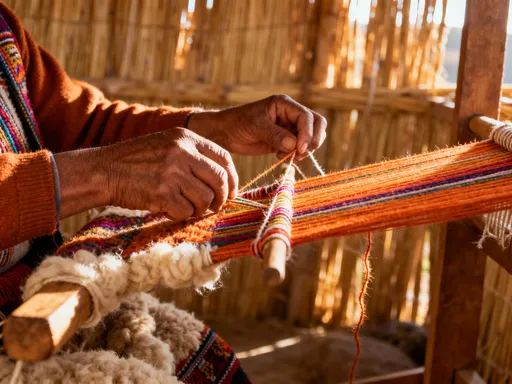
One such studio, tucked behind a grove of banana trees, specializes in traditional weaving. Here, a grandmother teaches her granddaughter to use a wooden loom, their hands moving in practiced unison. The cotton thread, dyed with natural pigments from indigo and turmeric, becomes fabric that will be turned into áo dài—the elegant Vietnamese tunic. Visitors are welcomed not as customers, but as guests. A cup of tea is offered, stories are shared, and for a brief moment, the boundary between traveler and local dissolves.
Another hidden gem is a calligraphy school where elderly masters teach the art of Vietnamese brush writing. Unlike the quick scribbles of modern life, this practice demands patience and presence. Each stroke is deliberate, each character a balance of strength and grace. Tourists are invited to try, holding the brush with two hands, dipping it in ink, and attempting to form simple words like “peace” or “harmony.” Few produce perfect results, but all leave with a deeper appreciation for the discipline behind the art.
These experiences are not staged performances. They are real moments of cultural transmission, where skills at risk of fading are kept alive through personal connection. There are no entrance fees, no souvenir shops attached—just people dedicated to preserving what matters. For the thoughtful traveler, these encounters are more valuable than any photo or keepsake. They offer something rare in modern tourism: authenticity, intimacy, and the quiet joy of learning from another’s hands.
Why Hoi An Stands Apart: Culture Over Commodity
In an era where many historic towns have been reshaped by tourism, Hoi An remains remarkably intact. Unlike destinations where ancient streets are overtaken by chain stores and themed restaurants, Hoi An has chosen preservation over profit. This is not accidental; it is the result of deliberate policies and community commitment. The local government enforces strict building codes—no structures taller than two stories, no modern facades, no advertising that disrupts the historic aesthetic. These rules are not always easy to follow, but they reflect a shared belief that the town’s soul is more valuable than short-term gain.
The contrast with other Southeast Asian cities is striking. In places like Bali or Bangkok, traditional crafts are often reduced to mass-produced souvenirs, sold in malls or airport shops. In Hoi An, the opposite is true: tourism supports tradition rather than replacing it. Artisans still set their own prices, design their own products, and work on their own terms. The economy is decentralized, with hundreds of small family businesses forming the backbone of the town’s livelihood. This model ensures that wealth circulates locally, empowering residents rather than foreign investors.
Equally important is the role of community. Festivals, temple ceremonies, and craft fairs are not staged for tourists—they are genuine expressions of local life. Visitors are welcome to observe, but the events are not altered for foreign tastes. This respect for authenticity creates a rare form of cultural exchange—one based on observation and appreciation, not appropriation. Travelers don’t come to see a performance of culture; they come to witness culture as it is lived.
Hoi An’s success offers a blueprint for sustainable tourism. It proves that heritage and hospitality can coexist, that economic growth does not require cultural compromise. By prioritizing integrity over spectacle, the town invites a different kind of traveler—one who values depth over speed, connection over consumption. In doing so, Hoi An does not just survive as a destination; it thrives as a model of what travel can be.
How to Travel Deeper: Practical Tips for a Meaningful Visit
To truly experience Hoi An, one must move beyond the checklist of sights. The town rewards those who slow down, who linger, who listen. A meaningful visit begins with where you stay. Opt for a family-run homestay over a large hotel. These accommodations, often converted historic homes, offer not just rooms, but relationships. Hosts may invite you to join their evening meal, teach you a few Vietnamese phrases, or share stories about their childhood in the town. These moments, small and unplanned, often become the most memorable.
Next, consider joining a craft class. Whether it’s lantern-making, cooking, or pottery, these workshops offer hands-on engagement with local culture. They are typically led by artisans in their own studios, lasting two to three hours and accommodating small groups. The goal is not perfection, but participation. By making something with your own hands, you gain a deeper understanding of the skill and patience behind the craft. Many participants find that the object they create—no matter how imperfect—holds more value than any store-bought souvenir.
Timing matters, too. The early morning hours, just after sunrise, offer a different Hoi An—one with empty streets, soft light, and locals beginning their day. It’s the best time to walk without crowds, to photograph alleyways without distractions, to feel the town waking up. Similarly, late afternoon, just before dusk, provides a golden window when the heat fades and the lanterns begin to glow. Avoid midday if possible, when the sun is high and the streets are busiest with tour groups.
Hiring a local guide can also transform the experience. A knowledgeable guide does more than recite facts; they reveal stories—the history behind a temple, the meaning of a festival, the life of a craftsman. They can take you to hidden spots, introduce you to family-run eateries, and help you navigate cultural nuances with respect. Look for guides affiliated with community-based tourism initiatives, where income supports local families directly. This ensures that your visit contributes to the very culture you’ve come to admire.
Finally, practice slow travel. Instead of rushing to see everything in one day, choose one neighborhood or theme per visit. Spend an hour in the market talking to vendors. Sit at a riverside café and watch the boats. Share tea with an artisan and ask about their work. These pauses are not wasted time; they are the moments when connection happens. In Hoi An, the journey is not about how much you see, but how deeply you feel.
Hoi An is more than a picturesque escape—it’s a living canvas where culture isn’t performed, but lived. By choosing to engage deeply, travelers don’t just witness art and tradition; they become part of its continuation.