You Won’t Believe What I Found Just Wandering Nicosia’s Hidden Corners
Wandering through Nicosia, I stumbled upon public spaces that felt like secrets whispered from the city’s soul. Between ancient walls and modern life, these pockets of openness tell stories of culture, connection, and quiet resilience. I didn’t follow a map—I let the streets guide me. What I discovered wasn’t just architecture, but moments of humanity. If you think public space is just benches and sidewalks, Nicosia will completely change your mind.
The Pulse of a Divided Capital
Nicosia stands as the last divided capital in Europe, a distinction that shapes its rhythm, its architecture, and the way its residents move through daily life. The city is split between the southern, Greek Cypriot-administered area and the northern, Turkish Cypriot-administered zone, separated by a United Nations-patrolled buffer zone known as the Green Line. This division, which began in 1974, has left deep imprints on the urban landscape. Yet, within this complex reality, public spaces have emerged as quiet bridges—places where separation is acknowledged, but not always enforced.
One of the most powerful examples is Ledra Street, once a symbol of division and now a crossing point that allows pedestrians to move between the two sides. The atmosphere here is both ordinary and profound. Locals pass through with grocery bags and coffee in hand, children walk to school, and tourists pause to take photos. The checkpoint itself is unassuming—a few barriers, a UN sign, and a sense of cautious normalcy. But beneath the surface, every crossing carries emotional weight. It is a reminder that shared space, even in small increments, can foster a fragile but real sense of unity.
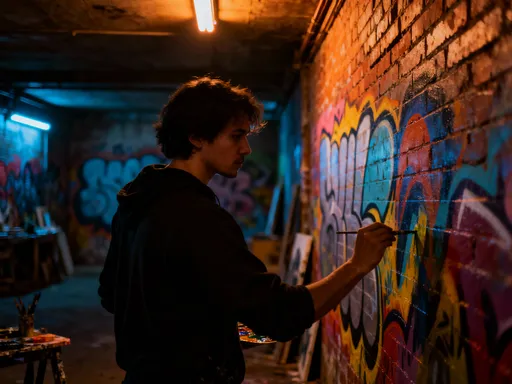
Public spaces near the buffer zone have evolved into places of quiet resistance and reconnection. Benches along Ledra Street are often occupied by older residents who sit in silence, perhaps reflecting on the city’s past. Street vendors sell souvenirs and snacks to both locals and visitors, creating micro-economies that thrive on movement. Graffiti on nearby walls sometimes carries messages of peace, drawn in both Greek and Turkish. These spaces do not erase history, but they do suggest that coexistence is possible—one step, one conversation, one shared sidewalk at a time.
Old Town’s Courtyards and Hidden Squares
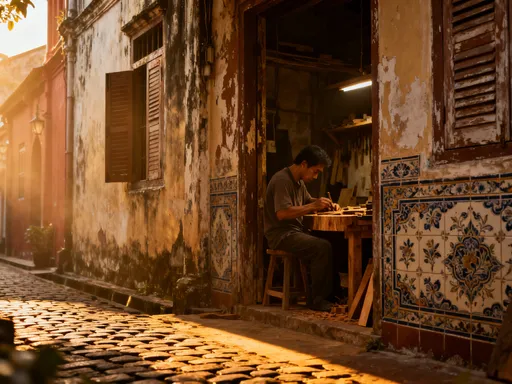
Stepping into Nicosia’s Old Town is like entering a living museum, where Ottoman-era architecture blends with contemporary life in unexpected ways. The narrow, winding streets of neighborhoods like Arab Ahmet and Taht-el-Kale are lined with restored stone houses, many of which now open onto hidden courtyards. These intimate spaces, once private family domains, have been transformed into cafes, art galleries, and community meeting spots. They serve as informal gathering places where neighbors exchange news, elders play backgammon, and visitors are welcomed with warm tea.
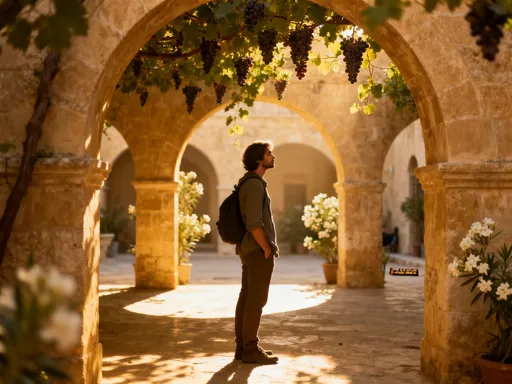
The true magic of these courtyards lies in their sensory richness. On a warm afternoon, the air carries the scent of jasmine and lemon trees, mingling with the aroma of freshly brewed coffee. Grapevines stretch across wooden trellises, casting dappled shadows on stone floors. The sound of water trickling from a small fountain blends with the low hum of conversation. These details create an atmosphere of calm, a refuge from the busier streets just steps away. Unlike grand plazas or tourist-heavy squares, these spaces feel authentic—untouched by commercialization, shaped instead by daily rhythms and local traditions.
Kafenios, traditional male-dominated coffeehouses, remain a fixture in many neighborhoods. While their role has evolved, they still serve as social anchors. Men of all ages gather in the late afternoon to drink thick, sweet coffee, debate local politics, or simply watch the world go by. In recent years, some of these spaces have opened their doors more widely, welcoming women and younger generations. This shift reflects a broader transformation in Nicosia—where tradition and modernity coexist, and public life becomes more inclusive without losing its roots.
Makariou Avenue: Where City Life Unfolds
Makariou Avenue is the beating heart of modern Nicosia, a wide, tree-lined boulevard that stretches from the southern edge of the Old Town into the city’s expanding neighborhoods. It functions as both a transportation corridor and a social spine, connecting schools, government buildings, churches, and cultural institutions. Unlike many urban thoroughfares dominated by traffic, Makariou has been designed with people in mind. Wide sidewalks, shaded benches, and strategically placed pedestrian crossings encourage walking and lingering.
Street cafes line both sides of the avenue, their outdoor seating spilling onto the pavement during warm months. These cafes are more than places to drink coffee—they are stages for daily life. Students review notes between classes, friends meet after work, and families stroll with strollers in tow. The pace is unhurried, the mood convivial. Even during the midday heat, when the sun beats down on the pavement, there is a steady flow of movement. Vendors sell cold drinks and snacks from carts, and musicians occasionally set up near the central medians, adding a soundtrack to the city’s rhythm.
What makes Makariou especially significant is how it integrates with surrounding green spaces. Just a short walk from the avenue, one can enter Faneromeni Square, a shaded plaza anchored by a historic church and surrounded by palm trees. Nearby, the Archbishop’s Palace and its adjacent gardens offer a quieter retreat, where families gather for picnics or children play on open lawns. These spaces extend the public life of the avenue, creating a network of accessible areas where people can move freely between activity and rest. Urban planners have recognized this value, and recent efforts have focused on improving connectivity, adding bike lanes, and enhancing accessibility for all residents.
Freedom Park and the Green Lung of Nicosia
In a city where concrete often dominates, Freedom Park stands as a vital green sanctuary. Located along the revitalized stretch of the Pedieos River, this expansive public space was once an overgrown, neglected area. Today, it is a model of urban renewal, offering walking paths, playgrounds, picnic areas, and open lawns where families, joggers, and dog walkers converge. The park’s transformation is part of a larger effort to reconnect Nicosia with its natural environment and provide residents with accessible green space in the heart of the city.
The Pedieos River, though mostly dry for much of the year, now flows through the park in a carefully managed channel, flanked by native plants and reeds. The sound of water, even in small amounts, adds a calming presence. Elevated walkways allow visitors to cross over the riverbed, offering views of the surrounding landscape. Benches are strategically placed to catch the morning sun or afternoon shade, and public art installations dot the pathways, inviting contemplation. On weekends, the park buzzes with activity—children chase bubbles, couples stroll hand in hand, and groups of friends gather for impromptu picnics.
Freedom Park also serves as a venue for community events, from outdoor film screenings to seasonal festivals. These gatherings draw people from all parts of the city, creating opportunities for interaction across cultural and social lines. The park’s inclusive design—featuring wheelchair-accessible paths, sensory gardens, and shaded rest areas—reflects a commitment to equity in public space. For many residents, especially families with young children, it has become a weekly ritual to visit, reinforcing the idea that nature and community belong together. The success of Freedom Park has inspired further green initiatives, including plans to extend the river corridor and create new pocket parks throughout the city.
The Buffer Zone’s Unexpected Openings
Perhaps the most unexpected public spaces in Nicosia are those found within the buffer zone itself. Once a no-man’s-land defined by barbed wire and military patrols, parts of this area have been quietly repurposed into places of leisure and reflection. The Paphos Gate area, where the ancient city walls meet the edge of the Green Line, now features restored moat gardens. These terraced green spaces, with flowering shrubs and winding paths, invite visitors to pause and take in the view. It is a surreal experience—to walk in a place that was once off-limits, now open to the public, where history and healing coexist.
The emotional resonance of these spaces cannot be overstated. For older residents, the buffer zone carries memories of displacement and loss. Yet, for younger generations, it is simply part of the city’s landscape—a place to jog, walk a dog, or meet a friend. This generational shift in perception is significant. It suggests that while history must be remembered, it does not have to define the future. The transformation of the moat gardens is a testament to this idea: a space once associated with absence is now filled with presence, with life.
Other sections of the buffer zone remain restricted, but even here, small openings have emerged. Near the Ledra Palace crossing, a narrow strip of land has been turned into a walking path, offering views of abandoned buildings and overgrown vegetation. Interpretive signs provide historical context, helping visitors understand the significance of what they are seeing. These spaces do not pretend to resolve the city’s divisions, but they do offer a space for reflection—a chance to walk slowly, think deeply, and imagine what shared futures might look like. In this way, the buffer zone has become an unintended public realm, one that challenges visitors to see division not as a permanent condition, but as a chapter in an ongoing story.
Cultural Hubs as Social Glue
Cultural institutions in Nicosia play a crucial role in shaping public life, acting as both anchors and connectors within the urban fabric. The Nicosia Municipal Arts Centre (NiMAC), housed in a former leather factory near the city walls, is a prime example. Its courtyard regularly hosts open-air exhibitions, live music performances, and community workshops. These events draw diverse audiences, from local artists to international visitors, creating moments of spontaneous interaction. The building itself—industrial yet elegant—has been thoughtfully adapted to serve the public, with large glass doors that open onto the street, blurring the line between inside and outside.
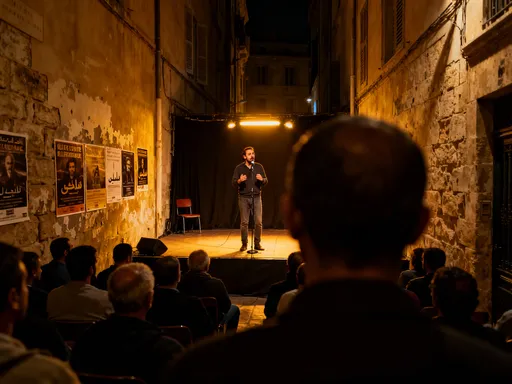
What makes NiMAC and similar spaces so effective is their ability to turn culture into a shared experience. Outdoor screenings of classic films, poetry readings under the stars, and craft markets featuring local artisans all contribute to a sense of belonging. These activities are not confined to elite audiences—they are designed to be accessible, often free of charge. In doing so, they reinforce the idea that culture is not something to be consumed passively, but something to be lived and co-created.
Other institutions, such as the Cyprus State Orchestra and the Leventis Municipal Museum, also extend their presence into public space. Concerts are occasionally held in open plazas, and museum exhibitions sometimes spill onto sidewalks with informational panels and interactive displays. These efforts reflect a broader philosophy: that culture should not be locked behind doors, but should flow into the streets, into courtyards, into the daily lives of residents. In a city shaped by separation, such spaces become acts of quiet unity—places where people gather not because of identity, but because of shared curiosity and joy.
Wandering as a Way of Seeing
One of the most valuable lessons Nicosia offers is the power of wandering. In an age of curated travel itineraries and GPS-guided tours, the simple act of walking without a destination has become a radical form of exploration. When I wandered through Nicosia’s alleys, I wasn’t following a map or checking off landmarks. I was paying attention—to the way sunlight fell on a stone wall, to the sound of a door creaking open, to the smell of baking bread drifting from a hidden bakery. These small moments, often overlooked, revealed the city’s true character.
Guided tours provide facts and context, but they cannot replicate the intimacy of discovery. Only by moving slowly, by allowing oneself to get slightly lost, can one truly understand how a city breathes. In Nicosia, this means noticing how a grandmother waters her flowers in a courtyard, how children play hopscotch on a shaded sidewalk, how a street musician earns a few coins with a well-played tune. These are not tourist attractions—they are the fabric of everyday life, visible only to those who take the time to look.
Wandering also fosters connection. When you walk without purpose, you become more approachable. Locals are more likely to offer a smile, a greeting, or even an invitation to join them for tea. These brief encounters, though fleeting, create a sense of belonging. They remind us that travel is not just about seeing places, but about encountering people. In a divided city like Nicosia, such moments are especially meaningful—they are small but powerful affirmations of shared humanity.
For travelers, the invitation is clear: slow down. Put away the itinerary. Let the city guide you. You may not find the most famous monument or the highest-rated restaurant, but you will find something more valuable—the quiet pulse of a place, the rhythm of its streets, the warmth of its people. And in doing so, you may discover not just a city, but a deeper way of seeing the world.
Nicosia’s public spaces are more than physical locations—they’re quiet acts of belonging. In a city shaped by division, every shared bench, every open courtyard, becomes a gesture of continuity. Wandering through them, I realized that the heart of a city isn’t in its monuments, but in the everyday moments we create together in the open air. Let Nicosia inspire you to explore not just destinations, but connections.